
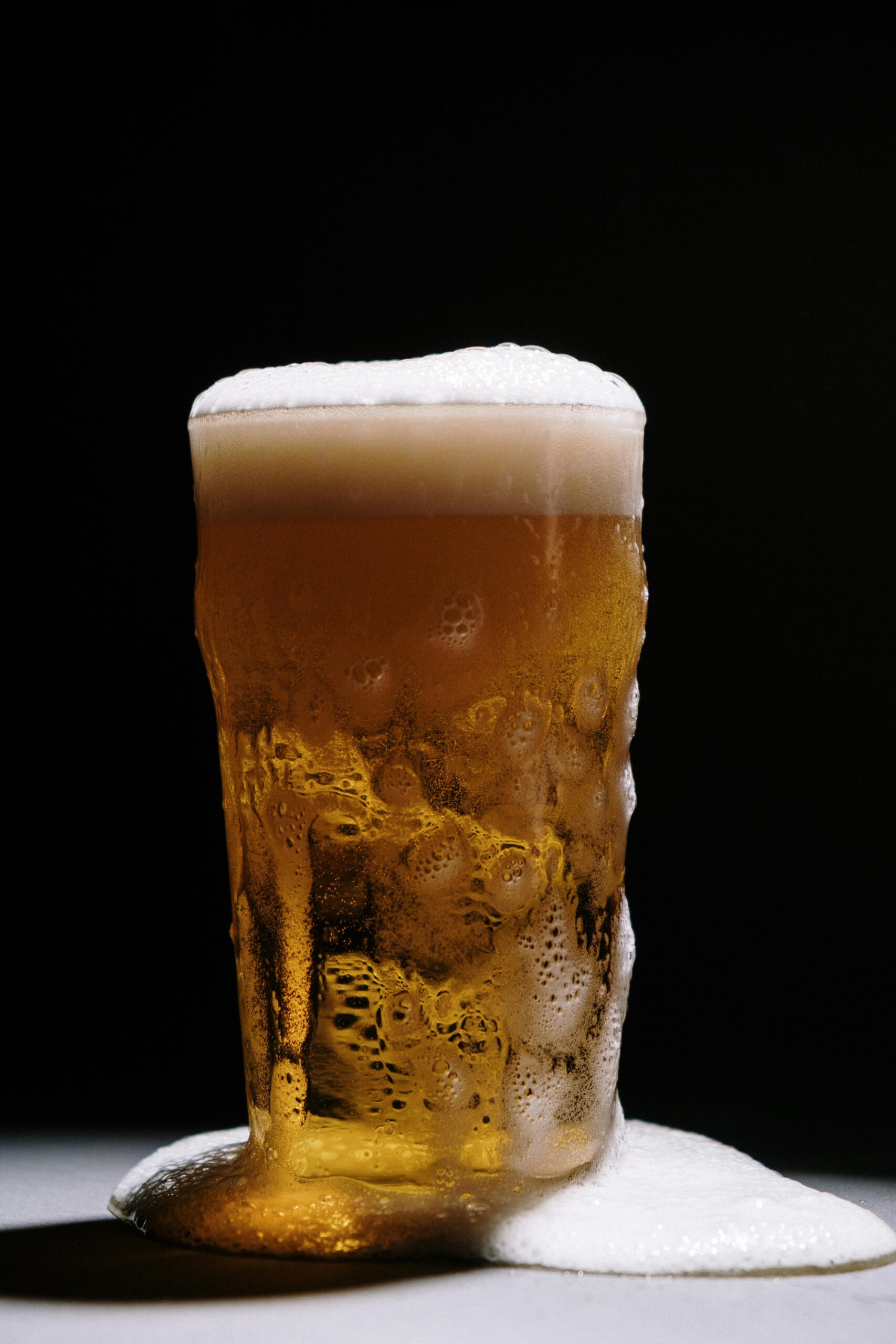
Introduction of Beer
Beer is one of the oldest and most popular drinks in the world. People from different cultures have enjoyed it for thousands of years. Today, beer comes in many styles, flavors, and strengths. Not only that, but the glass you drink it from can also change the way it tastes and feels.
In this guide, we will explore the main types of beer and the beer glasses that pair best with them. Whether you are a casual drinker or a beginner wanting to learn more, this article will help you understand beer in a simple and enjoyable way.
What is Beer made of ?
Beer is an alcoholic drink made mainly from four ingredients:
- Water
- Malted grains (usually barley, wheat, or rye)
- Hops (for bitterness and aroma)
- Yeast (to ferment sugar into alcohol and carbon dioxide)
The process of brewing changes these basic beer ingredients into countless varieties of beer.
Part 1: Types of Beer
There are hundreds of beer styles worldwide, but most of them fall into two main families: Ales and Lagers. The difference comes from the yeast and the brewing process.
1. Ales
Ales are fermented with warm, top-fermenting yeast. They are usually delicious, fruity, and sometimes stronger.
- Pale Ale – Balanced, golden to copper, with both malt and hops shining.
- IPA (India Pale Ale) – Hoppy, strong, citrusy, and very popular among craft beer drinkers.
- Stout – Dark, creamy, coffee and chocolate undertones.
- Porter – Lighter in body than stouts, but with caramel sweetness.
- Wheat Beer – Light, cloudy, and crisp with citrus flavors.
- Belgian Ale – Spicy, fruity, and complex, with more alcohol strength.
2. Lagers
Lagers use cool, bottom-fermenting yeast, giving them a crisp, smooth taste.
- Pilsner – Pale golden, crisp, and refreshing.
- Helles – A malty, slightly sweet German lager.
- Dunkel – Dark lager with caramel and nutty notes.
- Bock – Strong, malty, and rich; perfect for colder seasons.
3. Specialty Beers
- Sour Beers – Sour and refreshing (e.g., Lambic, Gose).
- Hybrid Beers – Blending of lager and ale types (e.g., Kölsch).
- Seasonal Beers – Special beers made for festivals like Oktoberfest or Christmas.
Part 2: Types of Beer Glasses
Beer glasses are more than just cups. The right glass affects the way beer looks, smells, and tastes. Each style of beer has a glass that brings out its best characteristics.
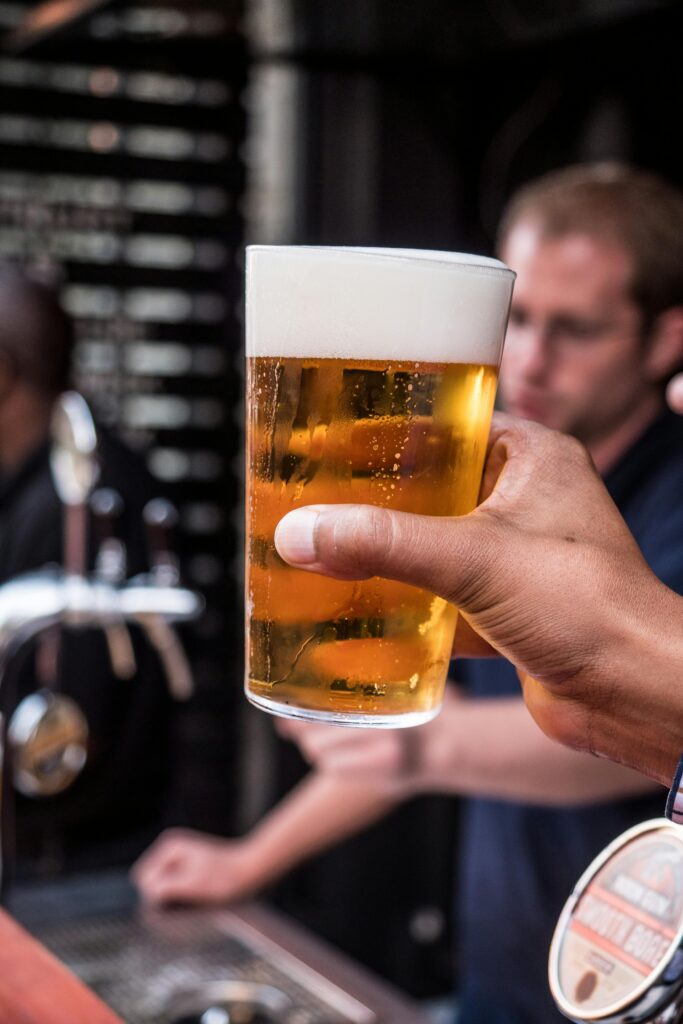
1. Pint Glass
Description
- Most widely used beer glass.
- Tall, cylindrical, and holds about 16–20 ounces.
Best for
- Pale ales, IPAs, stouts, and porters.
- Daily drinking in an informal manner.
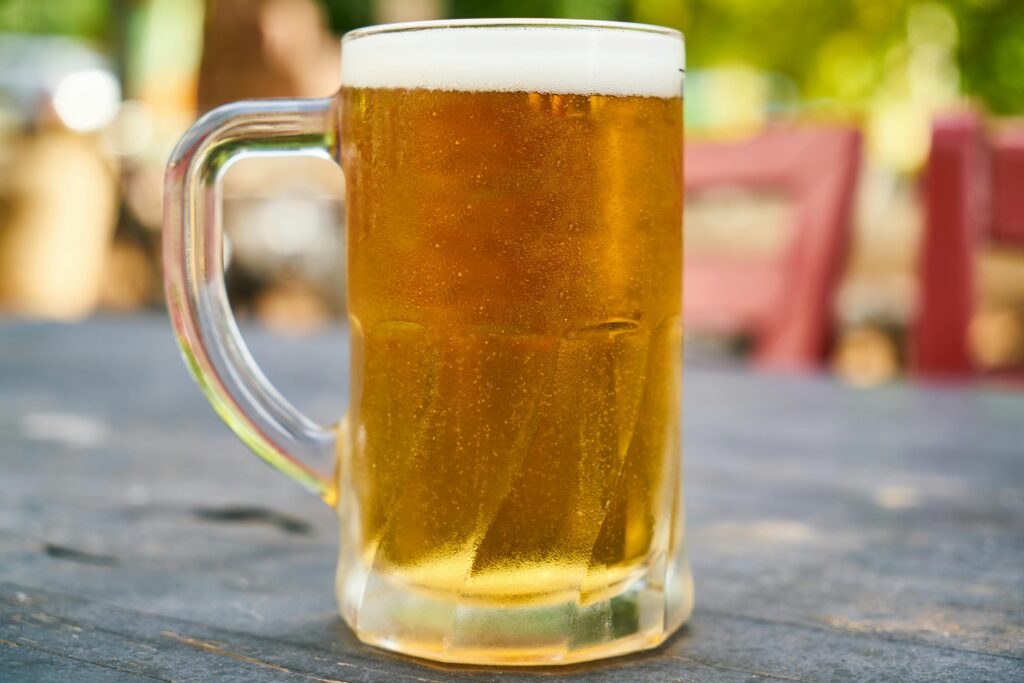
2. Mug
Description
- Thick handled glass.
- Sturdy and comfortable to hold.
Best for
- Lagers, pilsners, and German beers.
- Great for large servings and clinking in cheers.
3. Stein
Description
- Traditional German beer mug.
- Can be made of glass, ceramic, or pewter.
- Typically laden with lids and carvings.
Best for
- German lagers and festival beers.
- Perfect for Oktoberfest celebrations.
4. Tulip Glass
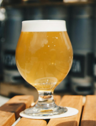
Description
- Curved bowl that opens at the top.
- Helps capture aroma and support foam.
Best for
- Belgian ales, IPAs, and strong ales.
- Enhances aroma and flavor complexity.
5. Snifter
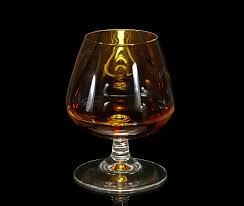
Description
- Short stem with a wide bowl.
- Actually best suited to brandy, but works well for strong beers too.
Best for
- Strong ales, barley wines, imperial stouts.
- Ideal for sipping and taking in slowly
6. Weizen Glass
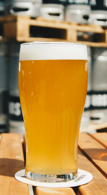
Description
- Tall and narrow with a wide top.
- Designed specifically for wheat beers.
Best for
- German Hefeweizens and Witbiers.
- Preserves thick and long-lasting foam.
7. Goblet or Chalice
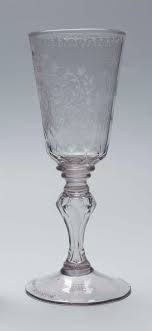
Description
- Thick, heavy glass with a wide mouth.
- Holds a lot of beer and shows off foam.
Best for
- Belgian ales, dubbels, tripels, and quadrupels.
- Adds a touch of elegance.
8. Pilsner Glass
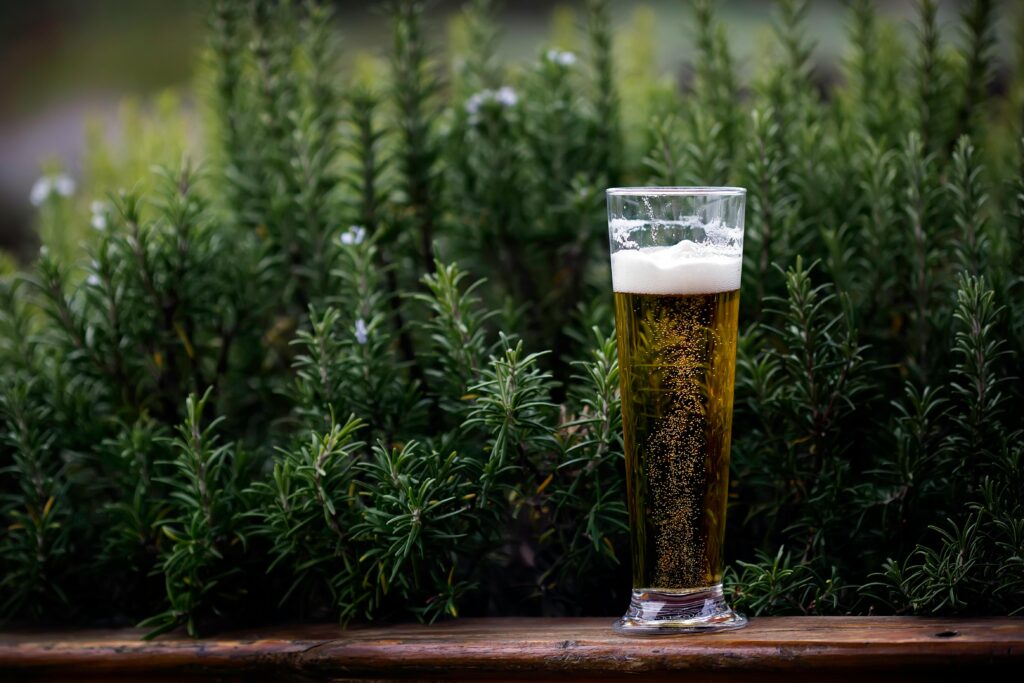
Description
- Tall, narrow, and tapered.
- Shows off beer’s clarity and carbonation.
Best for
- Pilsners, lagers, and light beers.
- Refreshing and crisp presentation.
9. Stange Glass
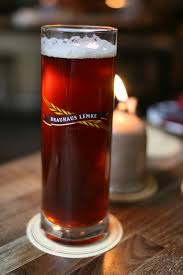
Description
- Narrow and straight glass, holds around 200ml.
- Looks simple but stylish.
Best for
- Kölsch and delicate beers.
- Maintains carbonation.
10. Oversized Glasses
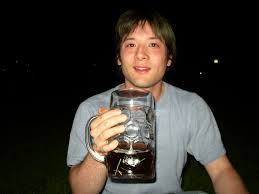
Description
- Jumbo mugs or boot-shaped glasses.
- Used more for enjoyment and celebrations than serious tasting.
Best for
- Beer festivals, parties, and social drinking.
Why the Right Glass Matters
- Appearance – The shape of the glass shows off color, clarity, and foam.
- Aroma – Some glasses capture aroma better, making beer more enjoyable.
- Flavor – Wide-mouth glasses let you sip more deeply, while narrow ones focus the taste.
- Tradition – Drinking beer in the traditional glass adds to the cultural experience.
Tips for Serving Beer
- Always pour beer gently at an angle to avoid too much foam.
- Use clean glasses without soap residue (soap kills foam).
- Chill the glass, but don’t freeze it (frozen glass can dull flavor).
- Pair the right beer with the right meal for the best experience.
For get more useful knowledge, tricks and tips connect with https://fnbeducation.com/
Conclusion
Beer is not just a drink, it is history, culture, and craftsmanship in a glass. From crisp lagers to bold stouts, every style of beer has a unique taste and story. Just as important is the glass you choose, since it can enhance aroma, flavor, and enjoyment.
Whether you’re sipping a refreshing pilsner from a tall glass or enjoying a strong Belgian ale from a goblet, the right pairing makes the experience complete.
So go on and have your next beer, but pay attention not only to the style of beer but also the glass you’re sipping it out of. Cheers!
FAQ Section
Q1: What are the main types of beer?
Ales and Lagers are the two main categories, with substyles like IPA, Stout, Pilsner, and Wheat Beer.
Q2: Which beer glass should I use for IPA?
The best glass for IPA is a tulip glass, as it enhances the hop aroma and flavor.
Q3: Does the glass really matter for beer?
Yes, the right glass improves aroma, taste, carbonation, and overall drinking experience.
3 Comments