
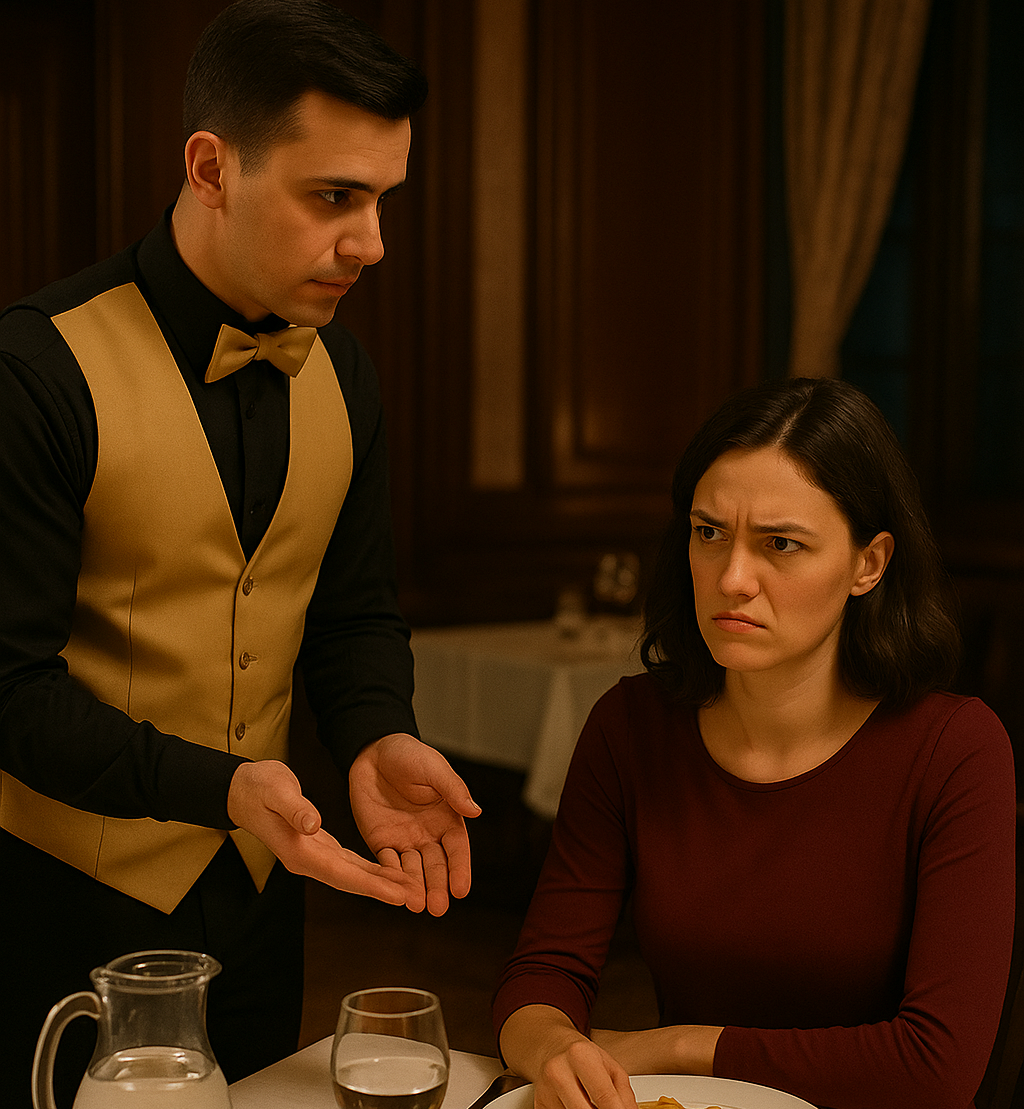
How to Handle Complaints in a Restaurant: A Complete Guide
In the restaurant industry, customer satisfaction is considered the main driver of success. Despite the best efforts, mistakes can happen – incorrect orders, food or service delays, cold food, or poor service can be the cause of customer complaints. However, complaints should not be feared; rather, they should be seen as opportunities to improve and strengthen customer loyalty. The success of a restaurant is in how its staff and management deal with these complaints.
In this article, we will learn how to effectively handle complaints from the guest’s perspective in various scenarios and implement long-term solutions.
Understanding the Nature of Complaints
Before discussing how to deal with complaints, it is important to understand why customers complain. Complaints can arise from the following factors:
- Poor service (e.g.,Careless staff, delays, rudeness)
- Food issues (e.g., Wrong food, poor quality, allergies not considered)
- Cleanliness or hygiene problems
- Environmental factors (e.g., noise, temperature, uncomfortable seating, sometimes from side-table guest)
- Billing mistakes
Knowing the root cause of the complaint helps in taking appropriate action accordingly and is very effective for the guest.
Train Staff in Complaint Handling
A restaurant’s frontline staff should be trained in customer service and handling customer complaints. The training should include:
- Active listening skills
- Body language and tone of voice
- Keep yourself calm under pressure.
- Apologizing sincerely
- How to empathize
Role-playing various complaint scenarios during staff training can prepare team members to respond confidently and professionally in real situations.

3. Responding to a Complaint: The Right Approach
Here are the step-by-step instructions for handling customer complaints:
Step 1: Stay Calm and Listen very carefully
When a guest is upset, the first step is to stay calm and not to do any defensive behavior. Let them talk without interruption.
Maintain eye contact
- Gesture to show you are listening
- Avoid crossing your arms or expressing frustration
Even if the complaint seems unfair, it is important to let the customer express their problem.
Step 2: Acknowledge the problem and be empathetic.
When the customer explains the problem, acknowledge their frustration and express empathy. Feel what they are facing. This builds trust and shows you care.
Example:
“I completely understand how frustrating it is to get the wrong dish when you’re hungry. I’m deeply sorry for this incident.”
Avoid common responses like “It’s not our fault” or “This doesn’t usually happen.” These can frustrate customers.
Step 3: Apologize Sincerely
A sincere apology will greatly reduce the guest’s immediate reaction.Even if you’re not at fault, you should still apologize for the bad experience they had.
Example:
“I am very sorry for your bad experience or I’m sorry your experience today didn’t meet your expectations.”
“I’m sorry you feel that way” – Avoid this kind of flat apology. Instead, take ownership of the situation.
Step 4: Provide a solution quickly
Provide a clear, fair solution depending on the situation. Depending on the problem, this may include:
- Changing dishes
- Offering a discount or refund
- Offering a free item (e.g., dessert or drink)
- Moving to a quiet table
Take quick action to resolve the problem. Delay can only increase frustration.Taking next action based on the guest’s feedback often increases the guest’s satisfaction level significantly.
And don’t forget to share your next steps regarding this issue with guests.And don’t forget to share your next steps regarding this issue with guests, so they can feel at ease until the issue is resolved.
Step 5: Follow up and get feedback
Once the solution is created, contact the customer again to make sure they are satisfied.
Example:
“Is everything okay now? Is there anything else I can do to make it better?”
This final step shows the guest that you care not only about solving the immediate problem, but also about their satisfaction.
Common Complaint Scenarios and How to Handle Them

Scenario 1: Food is cold or undercooked
How to Response:
“I’m really sorry. Let me take this to the kitchen and bring you a fresh, properly cooked meal right away.”
Make sure the replacement dish is prioritized in the kitchen and brought out quickly.During this free time, you should stay with your guests so that they don’t get bored.
Scenario 2: Rude or slow service
How to Response:
“I apologize for the service you received. This is not the standard we strive for. I will speak to the team right away and make sure the rest of your experience is even better.”
Scenario 3: Wrong order
How to Response:
“I’m very sorry that we made a mistake. Let me prepare the correct order for you immediately. Please give us a few minutes to fix it.”
If possible, it’s helpful to ask if they would like to keep the wrong dish while they wait.The quick turnaround time to fix the problem should be mentioned so they can wait patiently.
Scenario 4: Not suitable for people with allergies
This is serious and must be handled with extreme caution.
How to Response:
“I sincerely apologize for this mistake. Let me remove the dish immediately and prepare a safe meal for you. We take allergy issues seriously and will investigate how this occurred.”
It is necessary to ensure that allergy protocols are being followed in the kitchen.
5. Management involvement: When to take action
Some complaints require a manager’s attention—especially if:
- The guest is extremely upset and angry
- The issue involves a health concern (e.g., food poisoning or allergies)
- The complaint cannot be resolved by the server
- Request a refund or a major discount
- If the guest is a VVIP or a very regular guest of the restaurant
A manager can offer additional solutions, provide favor, and prevent further tension.
6. Maintain Complain Log Sheet and analyzing trends
Encourage staff to record guest complaints, including:
- Date and time
- Nature of complaint
- Action taken
- Employees involved
Review this information regularly to identify patterns and areas for improvement. For example, if multiple guests complain about slow service on a Saturday night, you may need to adjust staffing levels.
7. Preventing future complaints
The best way to reduce complaints is through prevention. Here are some strong strategies:
- Regular staff training on food safety, customer service and hospitality.
- Clear communication between front of house and kitchen.
- Consistent quality control for food and cleanliness.
- Updated menu with allergy information and clear descriptions.
- Hiring enough staff during busy times.
8. Turning Complaints Into Loyalty

If you can handle a complaint very well, you can turn a disappointed guest into a loyal customer.When you try your best to solve their problems, it means you care very much about their satisfaction.
After a major complaint from a guest, once resolved, reconnect with them and extend a personal invitation to come back again.
9. Empowering Your Staff
Employees should feel empowered to resolve most complaints promptly, without needing a manager for every problem. Set guidelines on the following:
- Speaking with confidence and politeness.
- When to involve a supervisor?
- How to file a complaint?
- Opportunity to offer something complementary.
A confident, well-trained team provides better guest service and creates a more responsive dining environment.
10. Online Complaints and Reviews
Sometimes complaints come in after a meal, through online reviews or social media. Respond to these complaints with the utmost professionalism.
How to Response:
“We are truly sorry to hear about your recent experience at our restaurant. This is not the level of service we strive for. We would like the opportunity to make this right. Please contact us directly so we can discuss further.”
Never argue or get defensive online. Respond in a professional, polite, and solution-oriented manner.Many people who have never been to your restaurant before will judge you based on the response to your online reviews.
Conclusion
It’s normal to complain in restaurants, but whether a reputation is made or broken depends on how you handle it.A strong complaints-handling process isn’t just about righting wrongs; it’s about building trust, showing respect, and providing a memorable guest experience – even when things go wrong.
By training your employees, responding with empathy, and always striving for improvement, you will transform negative experiences into positive outcomes.